General

Why In-Process Inspections Are Often Overlooked

Published on
July 29, 2026
Why In-Process Inspections Are Often Overlooked

Most buyers know what a pre-shipment inspection is. Far fewer use an in-process inspection, and that gap causes more problems than almost anything else we see.


An in-process inspection, also called a during production inspection, happens while the goods are still being made. Usually when 20 to 50 percent of production is complete. Enough units exist to judge quality, and enough time remains to fix what is wrong.


That second part is the whole point.


By the time a pre-shipment inspection happens, the goods already exist. If the inspector finds a systematic defect across the batch, there is very little anyone can do. The material is already cut, the components are already assembled, the order is already packed. The only real options left are rejecting the shipment or accepting it and hoping the customer does not notice.


We see this constantly. A defect that would have cost a few hours to correct at 30 percent production becomes a full batch problem at 100 percent.


What It Actually Catches


An in-process inspection looks at the things that are still changing while production runs.


Whether the workmanship on the first finished units matches the confirmed sample. Whether the materials and components on the line are the ones that were approved, not a cheaper substitute brought in after the sample was signed. Whether the factory is running its own quality checks or skipping them. And whether a small problem in the early units is about to repeat across the entire run.


This is the same logic behind catching repeat defects. A problem found early is a problem you can still prevent. A problem found at the end is a problem you can only report.


Why Buyers Skip It


The reasons are always the same.


It feels like an extra cost. It feels like the pre-shipment inspection already covers it. And on a first order with a new supplier, buyers often assume the factory will get it right and only check at the end to confirm.


That assumption is exactly where the risk sits. The first order is the one where nobody knows yet how the factory actually works under production pressure. It is the order that most needs an inspection while there is still time to act.


When It Matters Most


Not every order needs one. But some clearly do.


First orders with a new supplier. Large quantities where a batch-wide defect would be expensive. Tight delivery deadlines where there is no time to rework at the end. And any product where the material or a component can quietly be swapped once the sample is approved.


A pre-shipment inspection tells you whether the goods are good. An in-process inspection is often the only point where you can still make them good.


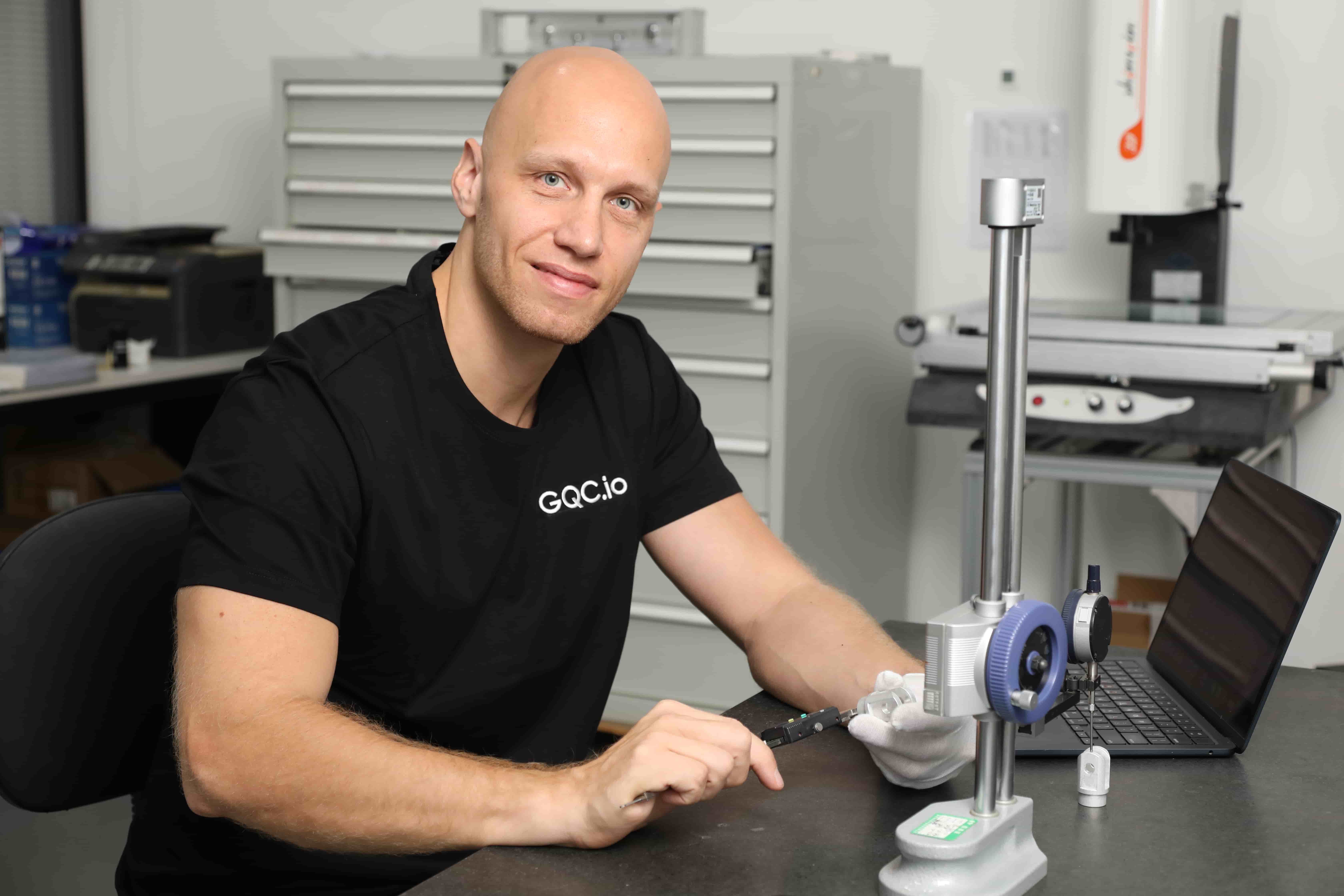
At GQC.io, we conduct during production and pre-shipment inspections across China and Asia for importers, brands, and retailers. For more information, contact us at info@gqc.io or visit GQC.io.

Related posts

Why In-Process Inspections Are Often Overlooked
July 2026

Why In-Process Inspections Are Often Overlooked

Most buyers know what a pre-shipment inspection is. Far fewer use an in-process inspection, and that gap causes more problems than almost anything else we see.‍An in-process inspection, also called a during production inspection, happens while the goods are still being made. Usually when 20 to 50 percent of production is complete. Enough units exist to judge quality, and enough time remains to fix what is wrong.

General
Read more
Factory Audit vs. Inspection: What's the Difference?
July 2026

Factory Audit vs. Inspection: What's the Difference?

One of the most common questions we get from new customers is which service they need.Some ask for an audit when they actually need an inspection. Others book an inspection and expect it to tell them whether the supplier is reliable.An audit tells you what the factory is capable of.An inspection tells you what the factory actually produced.

General
Read more
Corrective Action Plans Don't Solve Problems. Follow-Up Does.
July 2026

Corrective Action Plans Don't Solve Problems. Follow-Up Does.

After a failed inspection, many buyers immediately ask the supplier for a Corrective Action Plan (CAP).The factory investigates the issue, fills out a template, identifies root causes, proposes corrective actions, and sends the document back.Everyone feels productive.The problem is that the defect often comes back.Over the years, we have reviewed hundreds of corrective action plans from factories across China and Asia. Some were excellent. Some were clearly copied from previous reports. Most had one thing in common:

General
Read more
How to Manage Supplier Relationships for Better Quality Control
July 2026

How to Manage Supplier Relationships for Better Quality Control

Many buyers believe quality control is mainly about inspections, audits, and reports.In reality, some of the biggest quality improvements happen long before an inspector enters the factory.They happen through supplier management.Over the years, we have seen factories produce excellent products for one customer and poor products for another customer using the same machines, workers, and production lines.The difference was often not the factory.The difference was how the customer managed the supplier relationship.

General
Read more
Wenn Sie auf "Akzeptieren" klicken, stimmen Sie der Speicherung von Cookies auf Ihrem Gerät zu, um die Navigation auf der Website zu verbessern, die Nutzung der Website zu analysieren und unsere Marketingmaßnahmen zu unterstützen. Weitere Informationen finden Sie in unserer Datenschutzrichtlinien.