In the context of global product manufacturing, adherence to regulations such as RoHS(Restriction of Hazardous Substances) and REACH (Registration, Evaluation, Authorization, and Restriction of Chemicals) is primary, particularly for businesses eyeing the European market. These regulations, established to ensure the safety of products and minimize environmental impact, play an essential role in shaping responsible and sustainable business practices.
UnderstandingRoHS and REACH
RoHS: Enforced since 2003, RoHS sets precise restrictions on hazardous substances such as lead, mercury, and cadmium etc. in electrical and electronic equipment such as household appliances, telecommunication devices, tools, toys, recreational and sports equipment, control instruments, lighting equipment and many more. Its guidelines not only mandate compliance but also encourage the adoption of eco-conscious designs and production methods. The regulation serves as a stimulus for the industry to prioritize environmentally friendly practices.
REACH: Introduced in 2007, REACH focuses on the registration, assessment, and authorization of chemicals to guarantee their safe use, minimizing potential risks to both human health and the environment. By focusing on transparency and accountability in the use of chemicals, REACH aims to foster a safer and more sustainable industry.
Impact on Products
ComplianceRequirements: Meeting the standards set by RoHS and REACH is not simply a suggestion but a prerequisite for products entering the European market.Failure to comply can result in trade barriers and penalties, making adherence imperative for businesses.
EnvironmentalConsciousness: Beyond legal obligations, these regulations drive enterprises towards sustainable product designs and production. By prioritizing materials that adhere to RoHS and REACH standards, companies contribute to environmental awareness and responsible business practices.
Challenges and Opportunities for Businesses
Supply Chain Management: Achieving compliance requires a careful approach to tracking and managing raw materials throughout the supply chain. This not only ensures adherence to regulations but also improves transparency, a key component in responsible supply chain management.
Innovation and Competitive Outline: Aligning with RoHS and REACH standards opens avenues for companies to innovate their products. The commitment to sustainable practices not only meets regulatory requirements but also provides a competitive edge in the market, appealing to environmentally conscious consumers.
HowWe Can Assist
ComplianceTesting: Our professional services are customized to offer comprehensive RoHS and REACH compliance testing. This ensures that your products meet European standards, facilitating market entry and avoiding potential legal pitfalls.
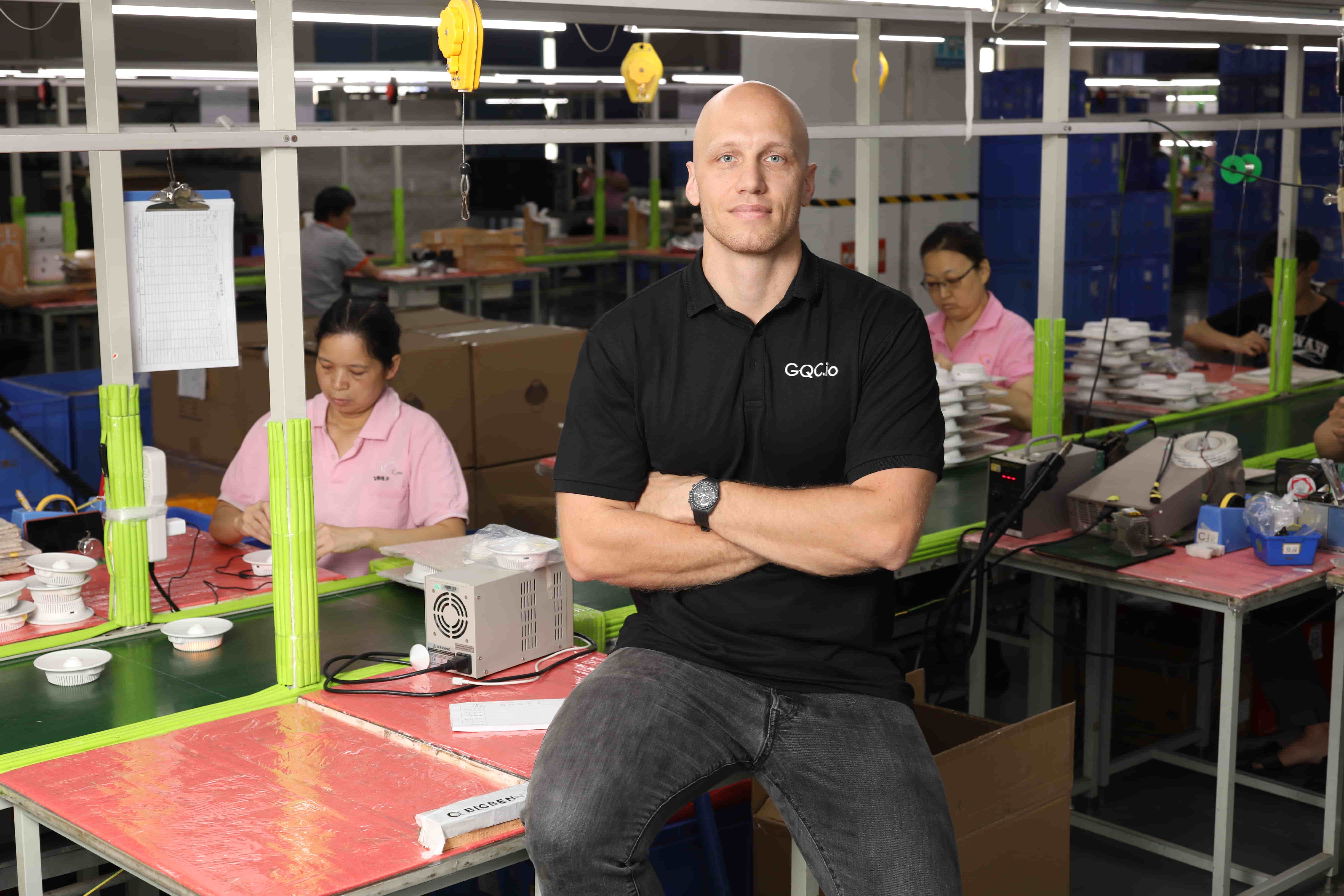
For companies manufacturing in China seeking assistance with RoHS and REACH compliance, consider GQC-German Quality Control.We specialize in providing support to improve your compliance processes and can be reached at www.gqc.io.