The sample looked perfect. The first production run didn't.
This is one of the most common problems when launching a new product.
The supplier develops a sample, your review it, make a few adjustments, approve it, and move forward with production.
Then the first production units arrive.
The color is slightly different.
The assembly is not as clean.
The packaging does not match the approved version.
The product still works, but somehow it is not the same product you approved.
Many buyers assume that approving as ample automatically means mass production will match it. Unfortunately, that is often not the case.
A factory may build a sample using experienced workers, carefully selected materials, and extra attention. Mass production is different. Different workers, different machines, different material batches, and production pressure can all affect the final result.
This is where a First ArticleInspection becomes critical.
A First Article Inspection is performed when the first production units come off the line. The goal is not simply to inspect the product. The goal is to verify that the factory can consistently reproduce the approved sample under actual production conditions.
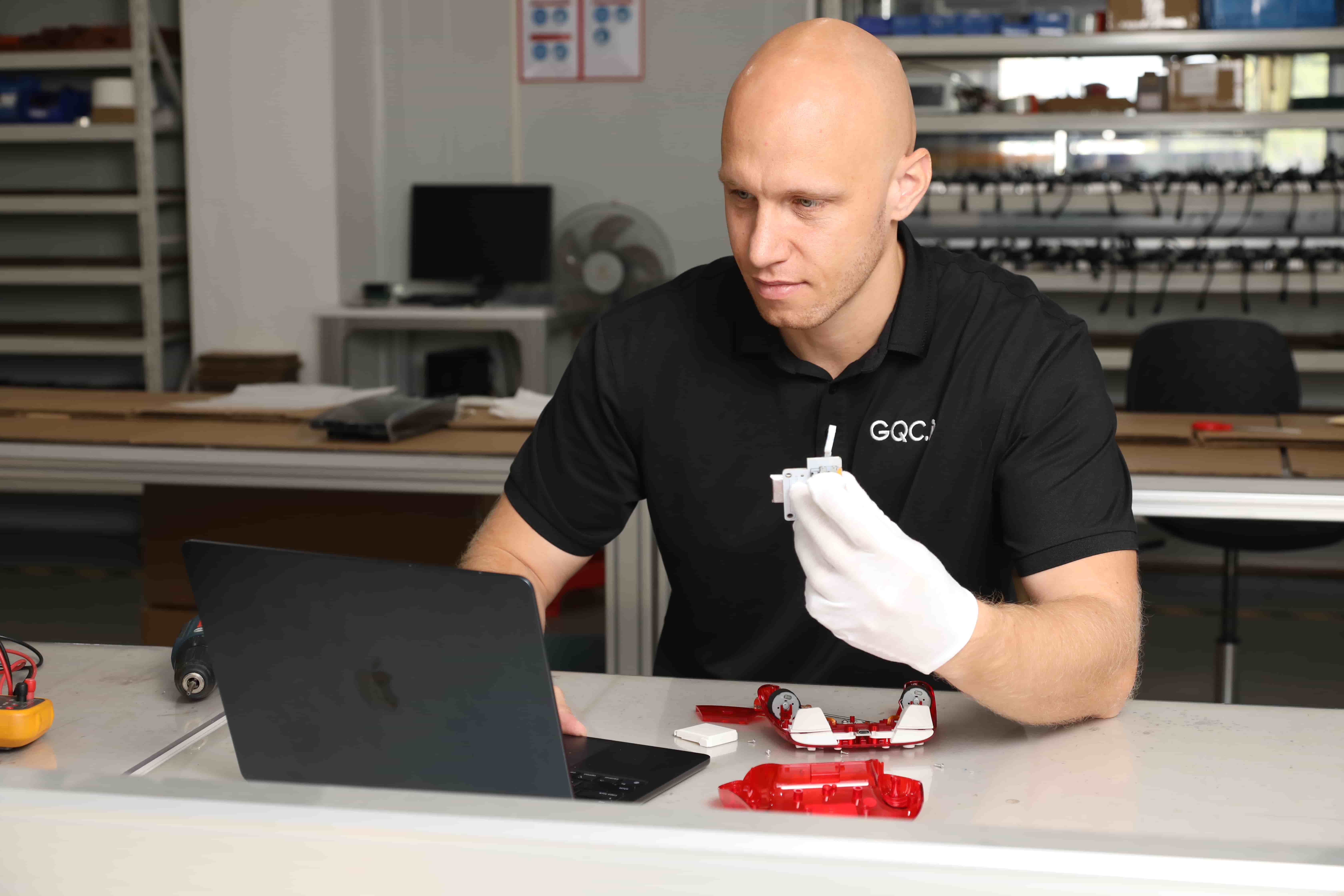
During a First Article Inspection, we compare the first production units against approved samples, specifications, drawings, packaging requirements, and labeling requirements.
This often reveals issues that are invisible during sample development.
Common findings include:
• Different materials than originally approved
• Incorrect dimensions or tolerances
• Missing warnings or labels
• Packaging deviations
• Assembly issues
• Color variations between production batches
• Functional issues that only appear during larger production runs
One of the biggest advantages of aFirst Article Inspection is timing.
If a problem is discovered after 10pieces have been produced, the supplier can usually correct it quickly.
If the same problem is discovered after10,000 pieces have been produced, the discussion becomes much more expensive.
Another benefit is that it creates alignment between the buyer and supplier. Many specifications seem obvious during development but can be interpreted differently once production starts. A First Article Inspection allows both sides to clarify expectations before significant production volume is completed.
We often see factories pass sample development successfully but struggle during the first production run. This does not necessarily mean the supplier is bad. It simply means that moving from prototype to production introduces new variables that need to be controlled.
For new products, new suppliers, or complex items with multiple components, a First Article Inspection is often one of the most cost effective quality control activities available.
Finding problems early is always cheaper than finding them after production is complete.
At GQC.io, we help brands, importers, and e-commerce sellers verify that approved samples can actually be reproduced during production through First Article Inspections, supplier audits, and quality inspections across China and Asia. For more information, contact us at info@gqc.io or visit GQC.io.