Selling online has never been easier. Maintaining consistent product quality has never been harder.
Unlike traditional retail, e-commerce businesses often ship products directly from overseas factories to fulfillment centers or customers without ever seeing the goods themselves. This creates a significant risk. A single quality issue can quickly turn into negative reviews, returns, account warnings, and lost sales.
This is where third-party quality control becomes valuable. Rather than relying solely on supplier promises, independent inspections provide an objective assessment of the products before they leave the factory.
1. CatchProblems Before They Reach Amazon or Your Customers
Many quality issues are only discovered whenproducts arrive at a warehouse or after customers start leaving reviews.
Common examples include:
• Wrong product colors
• Incorrect barcodes or labels
• Missing accessories
• Damaged packaging
• Functional failures
• Mixed sizes or models in the same shipment
Finding these issues before shipment issignificantly cheaper than dealing with returns, refunds, or customercomplaints later.
2. VerifyThat Production Matches Your Approved Sample
One of the most common sourcing mistakes isassuming that mass production will automatically match the approved sample.
Factories may change materials, components,packaging, or production methods during manufacturing. Sometimes these changesare intentional cost-saving measures. Sometimes they happen because theoriginal material is unavailable.
A third-party inspection helps verify that thefinal product actually matches the approved sample and specifications beforethe goods are shipped.
3. ReduceReturns and Negative Reviews
For e-commerce brands, customer reviews candetermine the success or failure of a product.
A single production issue can generate dozensor even hundreds of negative reviews within weeks. In many cases, the cost ofinspection is only a fraction of the cost associated with returns,replacements, advertising losses, and damaged brand reputation.
Quality control is often one of the mostcost-effective ways to protect online sales performance.
4. KeepSuppliers Accountable
Suppliers generally perform better when theyknow their products will be inspected by an independent third party.
Regular inspections create accountability andencourage factories to follow agreed specifications more closely. They alsoreduce disputes because inspection results are documented with photos,measurements, and detailed findings rather than opinions.
This is particularly important when workingwith new suppliers or managing multiple factories at the same time.
5. GainVisibility Without Traveling
Many e-commerce businesses source productsfrom China, Vietnam, or other Asian manufacturing hubs without having localstaff on the ground.
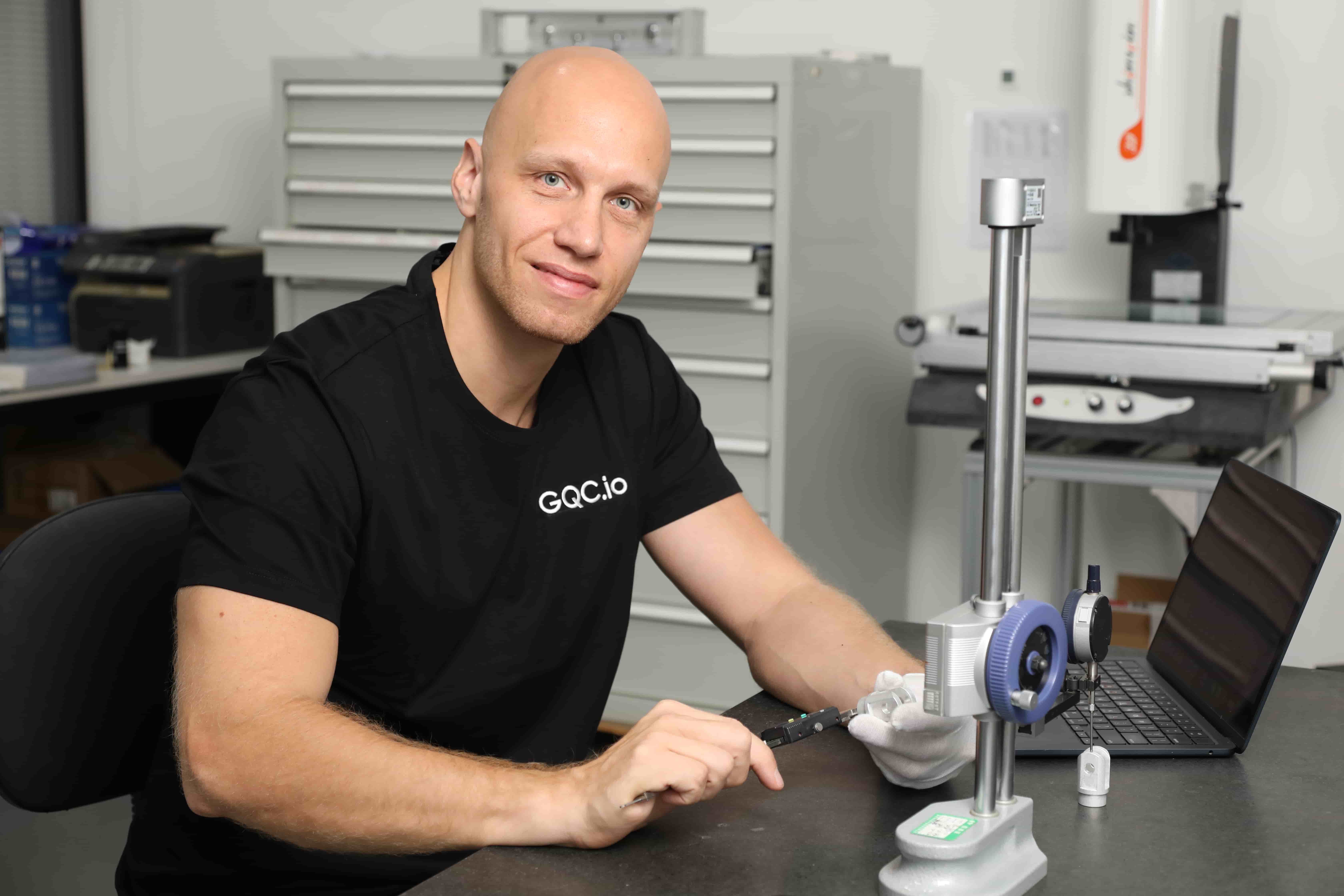
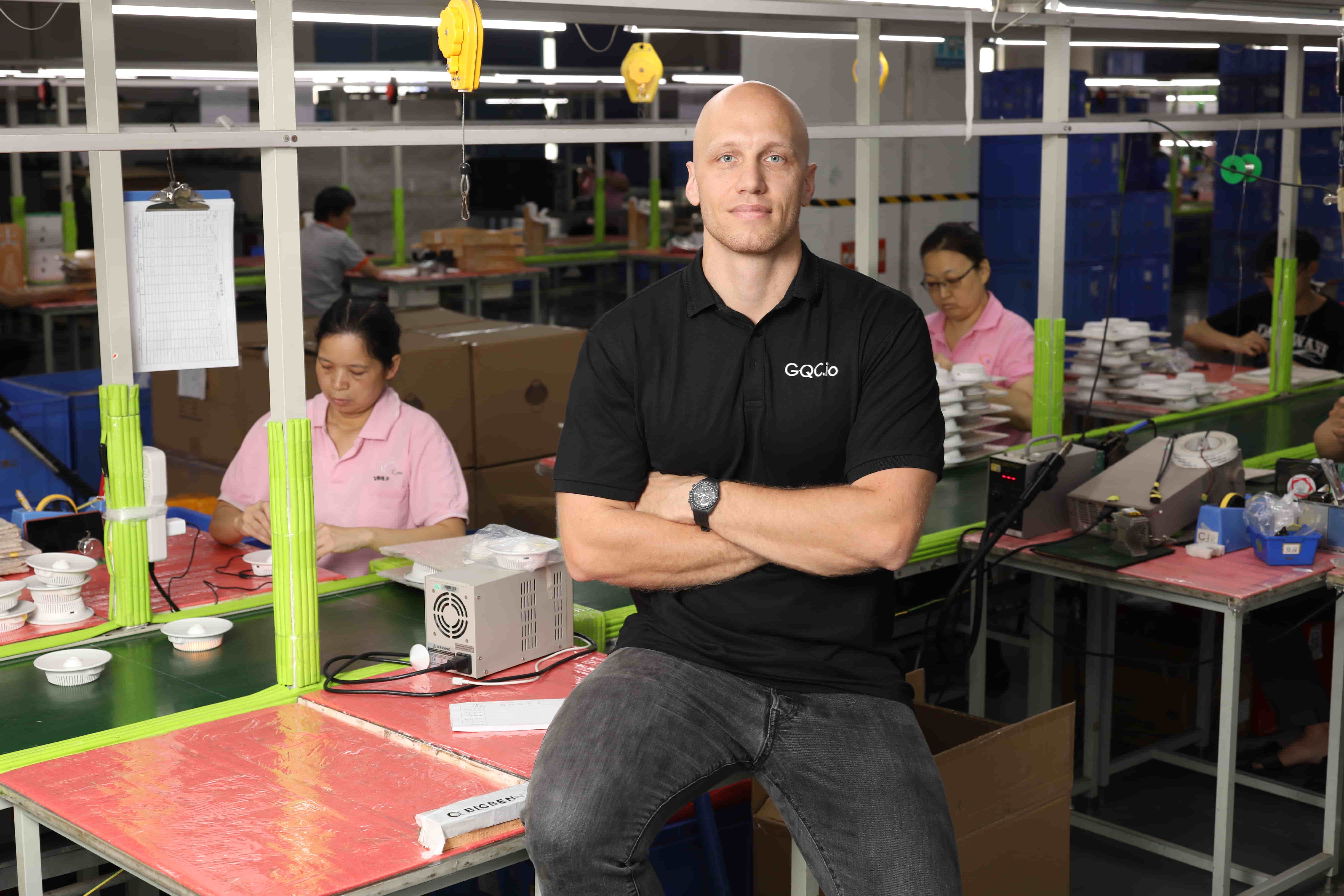
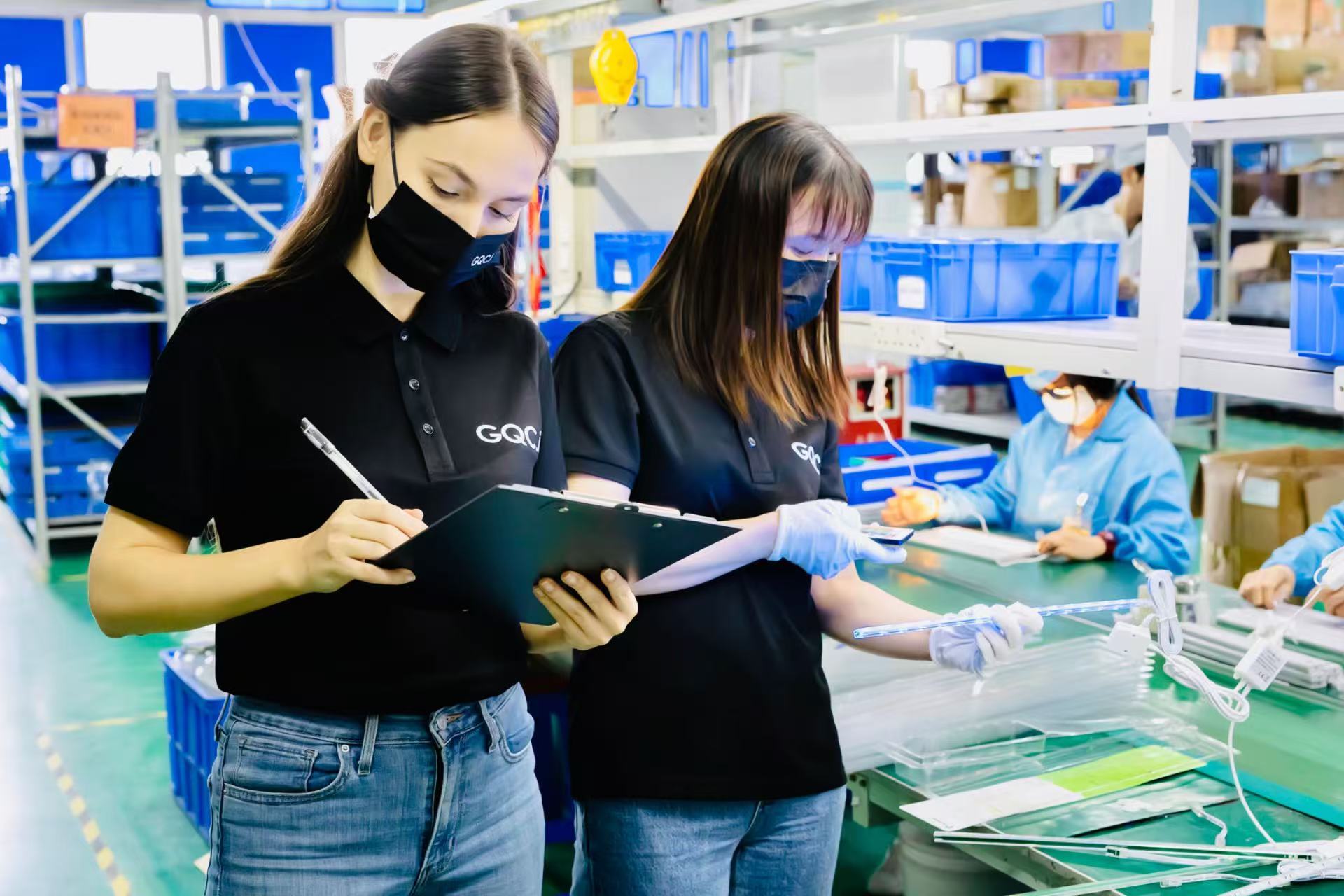
Third-party inspectors act as your eyes insidethe factory. They verify production status, inspect workmanship, testfunctionality, review packaging, and provide detailed reports with photos andvideos.
This gives you visibility into the productionprocess without the cost and time required for frequent factory visits.
QualityControl Is Cheaper Than Quality Problems
Many sellers view inspections as an additionalcost. In reality, they are often a form of insurance.
One failed shipment can easily cost more thanyears of inspections through returns, chargebacks, warehouse fees, lostcustomers, and reputation damage.
The goal of third-party quality control is notsimply to find defects. It is to identify problems early enough that they canstill be corrected before the products leave the factory.
At GQC.io, we help e-commerce brands, Amazonsellers, and importers reduce quality risks through independent inspections,supplier audits, and sample checks across China and Asia. For more information,contact us at info@gqc.io or visit GQC.io.