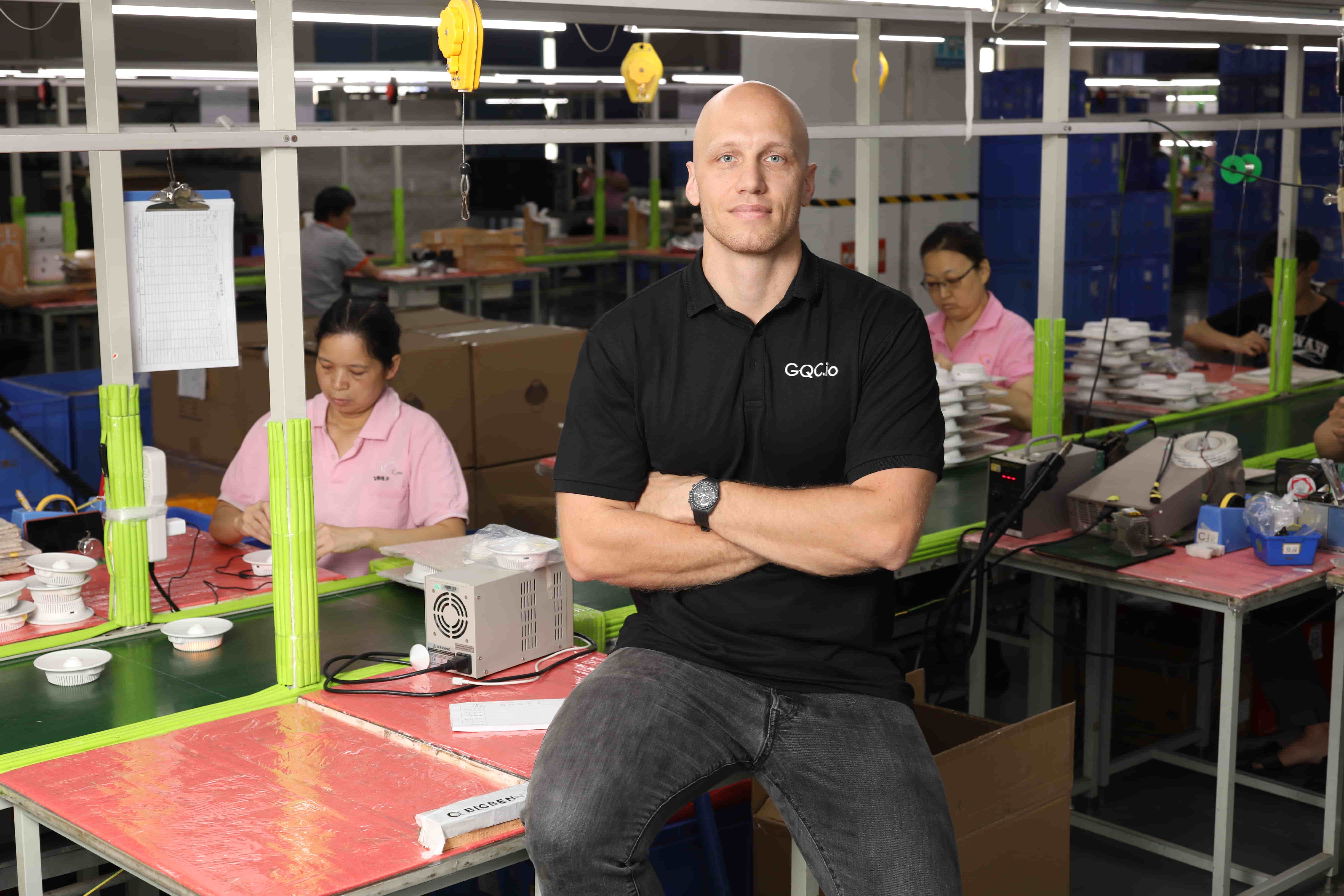
Overseas suppliers are becoming more important as the global marketplace expands. Communicating with your manufacturers and ensuring your shipments are delivered on time can be difficult, especially if you're not using effective methods of tracking communication and shipment progress. No one wants their products stuck in a factory for months, or spend too much time at the port due to a series of mistakes made by the supplier. Here are some tips to help you stay one step ahead of production delays with your overseas partners.
Be clear about the delivery date
If your contract requires the product to be delivered by a certain date, make sure there is no ambiguity in your communication with the supplier. If you can't agree on a delivery date and need to leave room for emergency situations such as bad weather, include this information in the contract and make sure it's reflected on all shipping documents.
Confirm all details
Make sure that all information regarding the shipment has been confirmed by both sides in writing before sending any payment. This includes things like insurance, packaging instructions, and documentation requirements for customs clearance at both ends of the journey. You should also confirm who is responsible for arranging transport services (for example, if you hire a local forwarding agent).
Ensure quality before mass production
Make sure you work with trustworthy and honest suppliers from the start. It’s important that your supplier has its own team of quality control inspectors who will check each component of your product before it goes into production. If your supplier doesn’t have its own inspector on staff, you might want to consider using an independent third-party inspector instead — someone who can check every stage of manufacturing and give you an unbiased opinion on whether products are ready for mass production.
Plan time ahead
Give your manufacturer plenty of lead time for any changes that will affect their production schedule. For example, if you want to change the color or material used for a product line, give your business partners enough time so they can buy more raw materials in advance and schedule extra production time for any new processes involved in making the product.
Inspect your order throughout the production
Pre-production and during-production inspections can help you prevent two common causes of shipment delays:
- Product rework delays. If your supplier sends you the wrong parts or doesn’t meet the specifications you agreed upon, they’ll need to make changes before they ship the products again. This can delay delivery by days or even weeks if the original order was large enough and there were multiple parts that needed to be fixed.
- Customs delays. If you're importing goods from overseas, you're likely familiar with the process of customs clearance — and the potential for it to cause problems. If your supplier doesn't properly label their shipments, or if they don't declare the correct value or classification of their goods, these all mistakes can lead to customs delays.
When shipping from overseas, managing your supply chain properly is vital to success. It's not something that you can afford to take lightly if you plan to make a sustainable business out of it. The tips above comprise a strong set of best practices to follow when working with overseas suppliers. Be sure to carefully consider these points in negotiations with your business partners in order to ensure that your product is able to move smoothly through the shipping process. For more information visit our quality blog or schedule your free consultation at https://www.gqc.io/contact