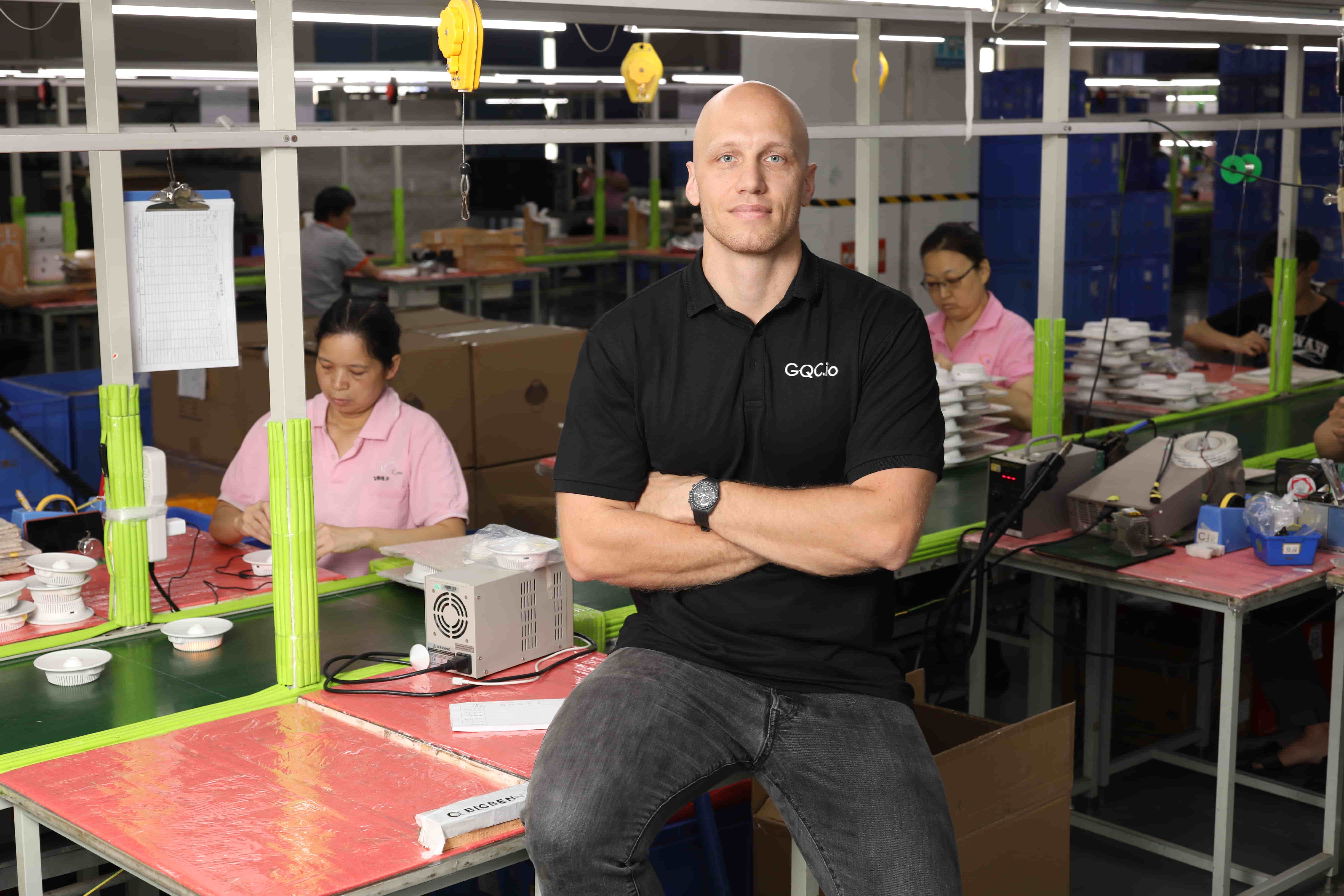
Ensuring that suppliers consistently meet your quality expectations is essential for maintaining a smooth production process.However, as many businesses know, supplier performance can vary, which can have a significant impact on product quality, delivery times, and overall customer satisfaction. By effectively monitoring supplier performance over time, businesses can reduce risks, maintain high standards, and create stronger supplier relationships.
TheProblem: Supplier Performance Fluctuations
Suppliers, especially those located overseas, often face challenges such as fluctuating production capabilities, material inconsistencies, and even miscommunication. These issues can lead to delays, poor-quality products, and an overall lack of consistency. Without proper monitoring, businesses may not catch these issues until they’ve already impacted the final product, leading to costly rework, delayed shipments, and potentially a damaged reputation.
One often overlooked issue is employee turnover, particularly around Chinese New Year, when workers may leave or not return after the holiday. This seasonal fluctuation can result in:
- Loss of experienced workers, leading to a drop in production efficiency and quality control.
- Inconsistent production levels, especially when new workers need time to be trained, resulting in delays and quality lapses.
- Poor communication as new employees might not be as familiar with the company's processes or your specific requirements.
These challenges, if not tracked and addressed, can significantly impact supplier performance, especially during critical production phases.
TheSolution: Key Metrics and Best Practices for Supplier Performance Monitoring
To track supplier performance effectively, businesses need to establish clear metrics and regularly evaluate their suppliers against these benchmarks. Below are a few critical metrics and best practices to ensure ongoing supplier success:
1. QualityMetrics
- Defect rates: Track the percentage of products that do not meet quality standards. This could be based on internal testing or post-delivery issues.
- First pass yield: Measure how many products meet the quality standards on the first run without requiring rework. A high first pass yield indicates effective manufacturing processes.
2. DeliveryMetrics
- On-time delivery rate: This metric tracks how often suppliers meet agreed-upon delivery deadlines. High on-time performance ensures your production schedule remains uninterrupted.
- Lead time consistency: Measure whether suppliers consistently meet the expected lead times, factoring in any delays or changes.
3.Communication and Responsiveness
- Response time to queries or issues: Track how quickly suppliers respond to your inquiries and resolve any issues. Fast communication helps avoid production delays and mitigates potential misunderstandings.
4. CostControl
- Cost deviations: Monitor any price increases or unexpected charges that deviate from the initial agreement. Consistent and transparent pricing builds trust and helps maintain healthy business relationships.
Best Practices for Ongoing Supplier Evaluations
To ensure consistent supplier performance, regular evaluations and audits are necessary. Here are some best practices for ongoing monitoring:
- Conduct regular performance reviews: Schedule periodic meetings with suppliers to discuss performance and address any concerns. This keeps both parties aligned and proactive about problem-solving.
- Use data to drive decisions: Gather data on supplier performance and use it to identify trends, track improvements, or pinpoint areas for attention.
- Collaborate on improvement: Work closely with suppliers to find solutions to performance issues. Collaboration often results in better outcomes than unilateral demands.
- Incorporate audits and inspections: Regular supplier audits and product inspections help ensure that suppliers are adhering to quality and process standards. These should be scheduled at regular intervals or triggered by performance issues.
- Prepare for seasonal impacts: Particularly around times like Chinese New Year, when employees may leave or not return after holidays, make sure your supplier is prepared with a solid training plan for new workers and maintain oversight of quality processes during staffing transitions.
At GQC.io, we specialize in helping businesses track and improve supplier performance through regular audits, inspections, and evaluations. Our services are designed to ensure that your suppliers meet and exceed your quality expectations, helping you maintain consistent production and mitigate supply chain risks.
Learn more about our services or contact us at info@gqc.io