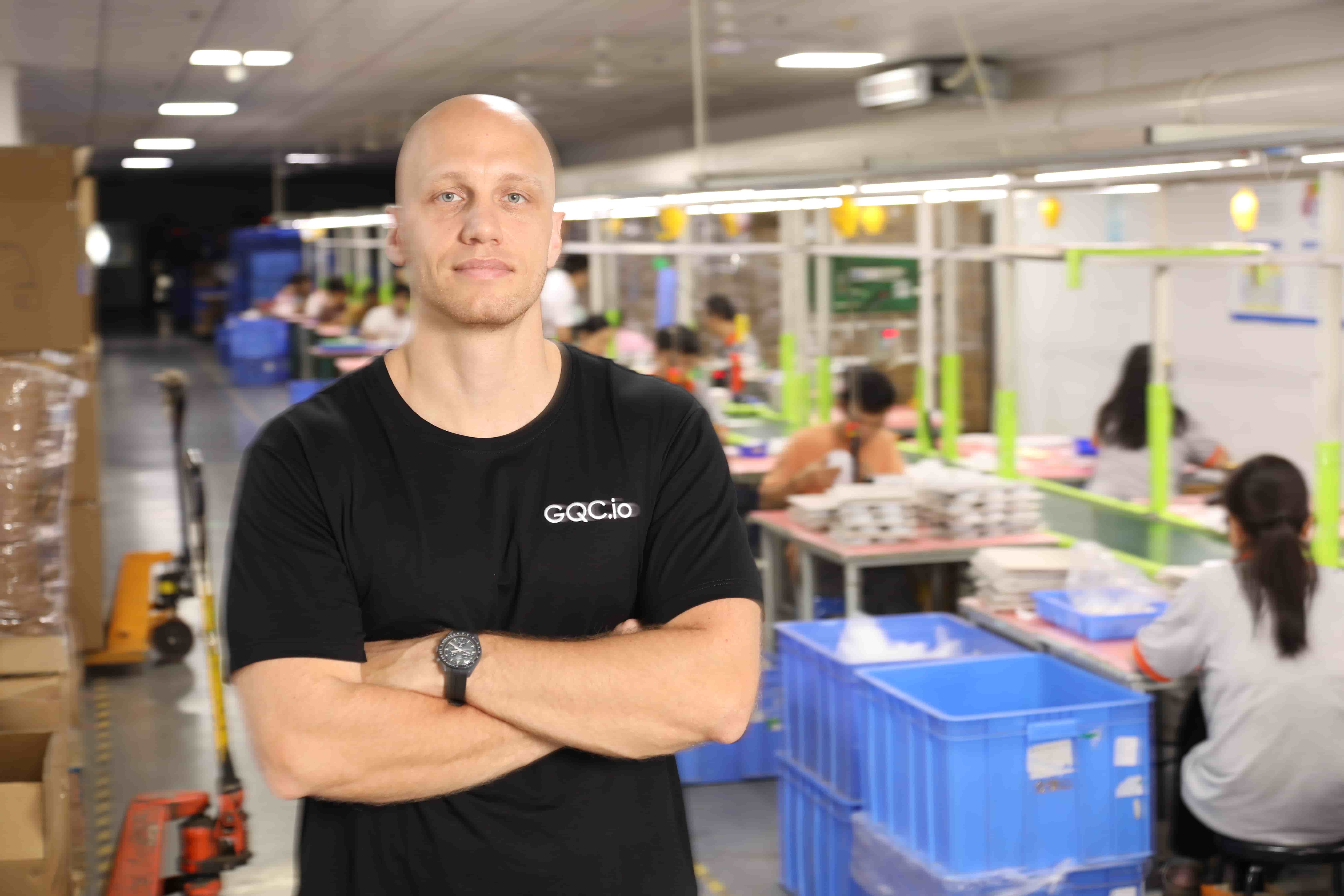
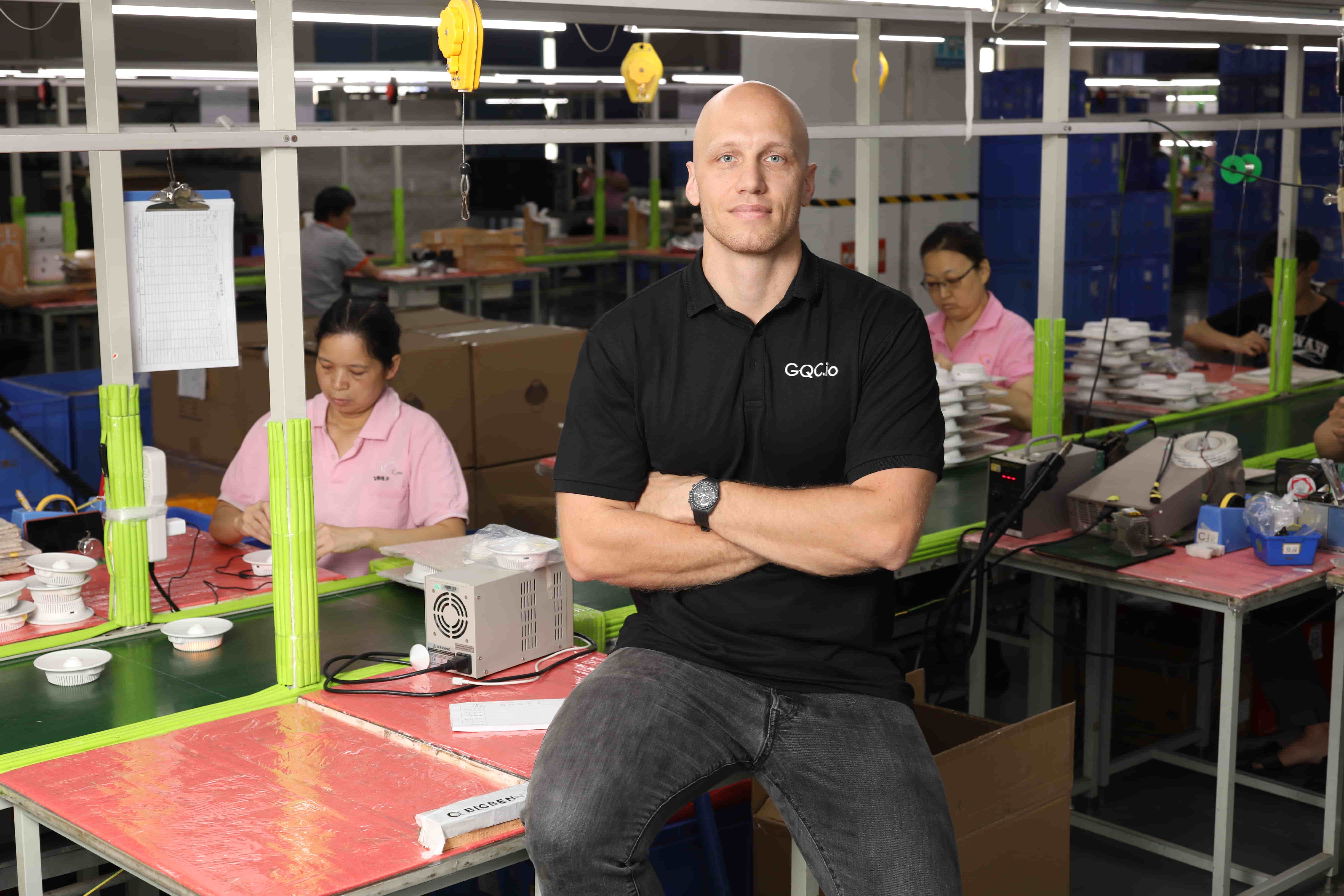
China has long been the go-to destination for manufacturing due to its cost efficiencies, skilled labor force, and extensive industrial infrastructure. For many brands, producing goods in China means accessing the benefits of a highly developed supply chain and the ability to scale production rapidly. However, beneath the surface of this manufacturing powerhouse lie risks that can jeopardize product quality, brand reputation, and overall business success.
TheIllusion of Control: Samples Versus Final Products
One of the most common challenges brands face when manufacturing in China is the difference between initial samples and the final products. Samples are crafted to win contracts and showcase the manufacturer’s capabilities. These samples often meet the brand's quality expectations, creating a sense of security and trust. However, this illusion can be misleading.
Once a contract is secured, the pressure to cut costs and maximize profits can lead to shortcuts in the production process. Manufacturers might use lower-quality materials, skip essential quality control steps, or rush the production schedule, all of which can result in a final product that falls short of the sample's standard. Brands often discover these variations too late, when the goods have already been shipped or even sold, leading to costly recalls, damage to brand reputation, and a loss of consumer trust. And of course, this not only happens in China, also in other countries.
InconsistentQuality Control
Quality control is a critical component of the manufacturing process, but it is one that brands often struggle to maintain consistently when outsourcing to Chinese factories. While brands can implement tight quality control measures and conduct regular inspections, the reality is that not all aspects of production can be monitored continuously.
Factory workers may lack sufficient training or motivation, leading to inconsistent application of quality standards. Additionally, the high turnover rate in many factories means that new, less experienced workers may be responsible for important production tasks. This inconsistency can result in variability in product quality, with some batches meeting the required standards and others failing.
Ethical and Environmental Concerns
Beyond the direct impact on product quality, brands must also manage ethical and environmental concerns associated with manufacturing inAsia. Reports of poor working conditions, and environmental violations can tarnish a brand’s image and lead to consumer backlash. Even with thorough vetting and regular audits, ensuring compliance with ethical standards remains challenging.Factories may present a compliant facade during inspections but revert to unethical practices once the surveillance is lifted.
IntellectualProperty Risks
Intellectual property (IP) theft is a pervasive issue inChina, posing a severe risk to brands that rely on proprietary designs and technology. Despite efforts to strengthen IP laws and enforcement, the reality is that counterfeit goods and unauthorized use of patented technology remain widespread. Brands may find their designs copied and sold in local or even global markets, undermining their competitive edge and reducing their marketshare.
To reduce these risks, brands must adopt a multifaceted approach:
- Due Diligence: Conduct thorough research of potential manufacturing partners. This includes evaluating their history, capabilities, and compliance with ethical standards.
- Audits and Inspections: Implement a schedule of both announced and unannounced inspections to monitor production processes and ensure adherence to quality and ethical standards.
- Strong Relationships: Develop strong, long-term relationships with manufacturers to foster trust and collaboration. This can lead to better communication and more reliable quality control.
- Legal Safeguards: Use comprehensive contracts that include clauses for quality assurance, IP protection, and penalties for non-compliance. Employ local legal expertise to support.
- Local Presence: Establish a local presence, such as a liaison office and inspection office, to oversee operations and address issues in real-time.
In conclusion, while manufacturing in China offers unlimited advantages, brands must be careful and proactive in managing the risks. By recognizing the potential pitfalls and implementing strategic safeguards, brands can better ensure that their final products meet quality expectations and ethical standards.
For your inspections needs visit our website www.gqc.io or contact us at info@gqc.io