Bringing a new product to market involves various steps, and working with Chinese suppliers can significantly streamline the process. However, one crucial stage that buyers often overlook is prototype testing. Ensuring your prototypes undergo rigorous testing before mass production is a vital step that can save you time, money, and potential headaches down the line. Let’s dive into why prototype testing is so essential when collaborating with Chinese manufacturers.
The Importance of Prototype Testing
1. Ensures Clear Communication
Even the most detailed specifications can be misunderstood, especially when working with suppliers in a different country.Testing the prototype allows you to confirm that your supplier fully understands your requirements, ensuring the final product aligns with your vision.
2. Validates Supplier Capabilities
Prototypes give you a glimpse of your supplier’s technical expertise and production capacity. If they can’t deliver a high-quality prototype, it’s a warning sign that they might struggle with mass production.
3. Identifies Potential Design Flaws
Testing prototypes helps uncover design flaws or functionality issues early. Addressing these before production begins saves you the cost and hassle of reworking or scrapping large quantities of defective products.
4. Provides a Reference for Mass Production
A thoroughly tested prototype serves as a benchmark for quality control during production. This ensures consistency and reduces the risk of deviations from the original design.
5. Builds Confidence Among Stakeholders
Whether presenting the product to investors, stakeholders, or potential customers, having a tested and functional prototype demonstrates professionalism and boosts confidence in your product’s potential success.
Collaborating with Chinese Suppliers for Prototype Testing
When working withChinese suppliers, building a collaborative relationship is key to effective prototype testing. Communicate openly about your quality standards and provide detailed feedback after testing. Choose suppliers with a proven track record of delivering high-quality prototypes and maintaining transparent communication.
Choose the Right Path for Your Product’s Success
Thorough prototype testing is essential when collaborating with Chinese suppliers to prepare your product for mass production. This process allows you to identify and resolve potential issues early, ensuring superior product quality. By taking the time to test and refine your prototypes, you not only enhance your product’s quality but also strengthen your partnership with your supplier.
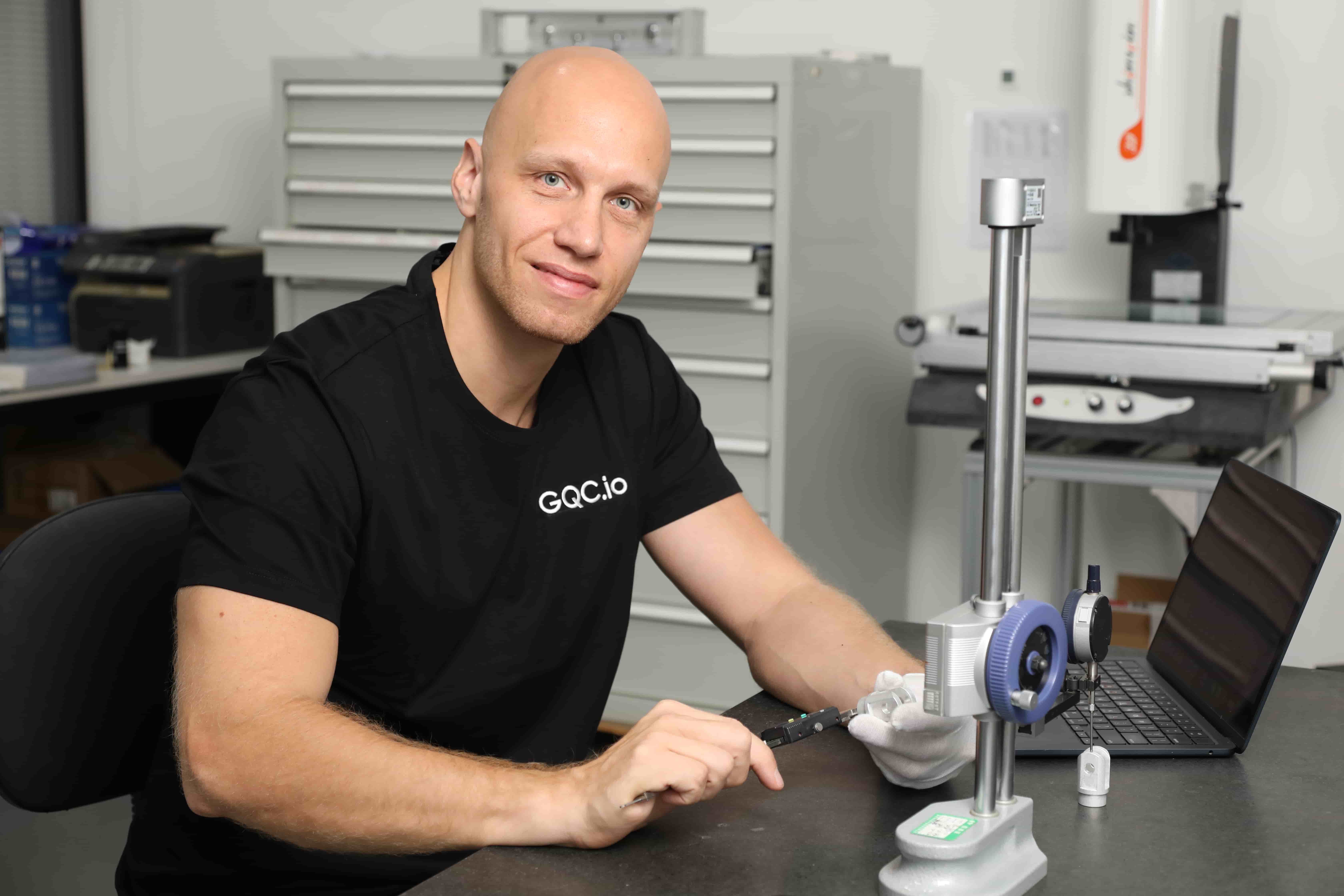
At GQC, we understand the complexities of bringing a new product to market, especially when dealing with overseas suppliers and manufacturers. If you’re looking for guidance on developing and testing prototypes or need support navigating the manufacturing process in China, our team of experts is here to help. We perform prototype testing on-side or in out laboratory. Contact us at info@gqc.io today for tailored solutions.