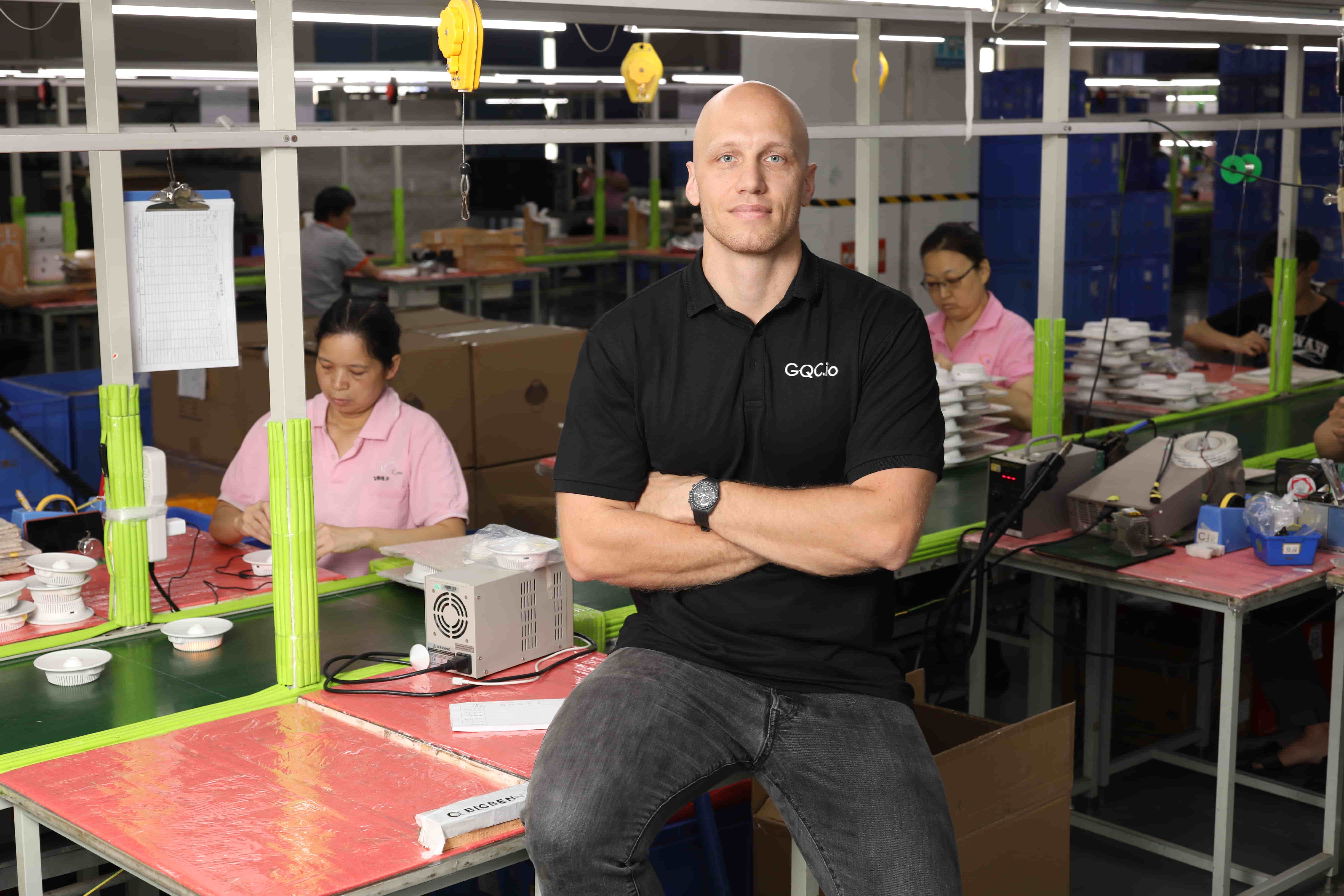
How can businesses that cannot establish overseas offices or manufacturing operations effectively and efficiently find suppliers in China? Here we will focus on how these companies discover suitable manufacturers and provide all useful information about sourcing.
Buy directly from suppliers.
Avoid the middleman and buy directly from the supplier to get the best deal and get control of the entire manufacturing process. Yes, buying from trading or wholesale companies does have some benefits if you want to buy a small number of goods. The trade-off is that the cost of each item will be higher, as these companies will make a margin on the goods being sourced. You will also lose the opportunity to learn more about the supply chain, and still need to be on the lookout for product quality issues.
Spend time looking for the right supplier.
The easiest and most cost-effective place to start a search for suppliers in China is on the Internet or B2B sourcing platforms like Alibaba, Global Sources, and Made-in-China.com. Make sure that you deal directly with a supplier instead of resellers and traders. Online sourcing platforms rate their suppliers, which can be useful in the shortlisting process. Alibaba, for instance, gives its suppliers “gold” ratings, which purchasers see as a sign of trustworthiness. However, it is important to remember that any supplier can pay an annual fee for premium membership and get this rating.
Verify.
It is essential to perform adequate diligence on potential suppliers. The information provided by a potential supplier on its website and other media channels is a good start, but you need to verify whether a supplier in fact exists and is what it claims to be. Things to verify include whether the supplier is a factory or just a middleman and whether it has had previous technical expertise and the ability to produce your product. You can verify this information by examining the suppliers' VAT invoices, audited accounts, or by simply asking for their registration number and business license number.
Communication and expectations.
When negotiating the price with your factory, you should keep in mind that all of them have a general minimum cost to manufacture the product. That is why you need to research the costs of the product and the market price to get a good idea of what a reasonable price is. Anything way below this price will reduce the quality of raw materials, products in general or hurt the workers’ wages or conditions of work. While discussing your product details do not leave space for the supplier to make any assumptions, and encourage them to ask you questions if they are not clear about your product’s specifications.
Quality assurance.
If you can find your way to China, you can gain a great deal by talking to your manufacturer directly, negotiating the contract, and controlling the quality of your goods. Conducting regular quality inspections is crucial to ensure that your product is made correctly and that its quality is not compromised. This prevents costly mistakes in the future. Nowadays is not that easy to travel to China due to Covid-19 regulations and restrictions, but you still can ensure the quality of your order by hiring a sourcing agency or a third-party quality control company. German Quality Control provides premium quality control services and factory inspections. Contact our team to book your free consultation.