China has been a manufacturing powerhouse over the years, producing a wide range of products that are exported to different parts of the world. Asa result, it has become increasingly important for companies to ensure that the quality of their Chinese-made products meets international standards. However, navigating quality control challenges in China can be a daunting task. In this article, we will explore some tips and best practices that can help companies to overcome these challenges.
Find the Right Supplier
Finding the right supplier is the first step in ensuring quality control in Chinese manufacturing. Companies must conduct thorough research on potential suppliers, including their experience, track record, and reputation.They should also verify the supplier's qualifications, such as their certification and quality management system. Therefore, factory benchmark audits are the first step to take, before placing an order.
Set Clear Quality Standards and Expectations
Companies must set clear quality standards and expectations for their suppliers. These standards should be communicated clearly and consistently, and suppliers should be held accountable for meeting them. This helps to ensure that the supplier understands the quality requirements of the product and produces it accordingly. Such standards (AQL and Sample Sizes) should be mentioned in the PO agreement and can be based on the result of the pre-shipment inspection.
Conduct Regular Quality Inspections
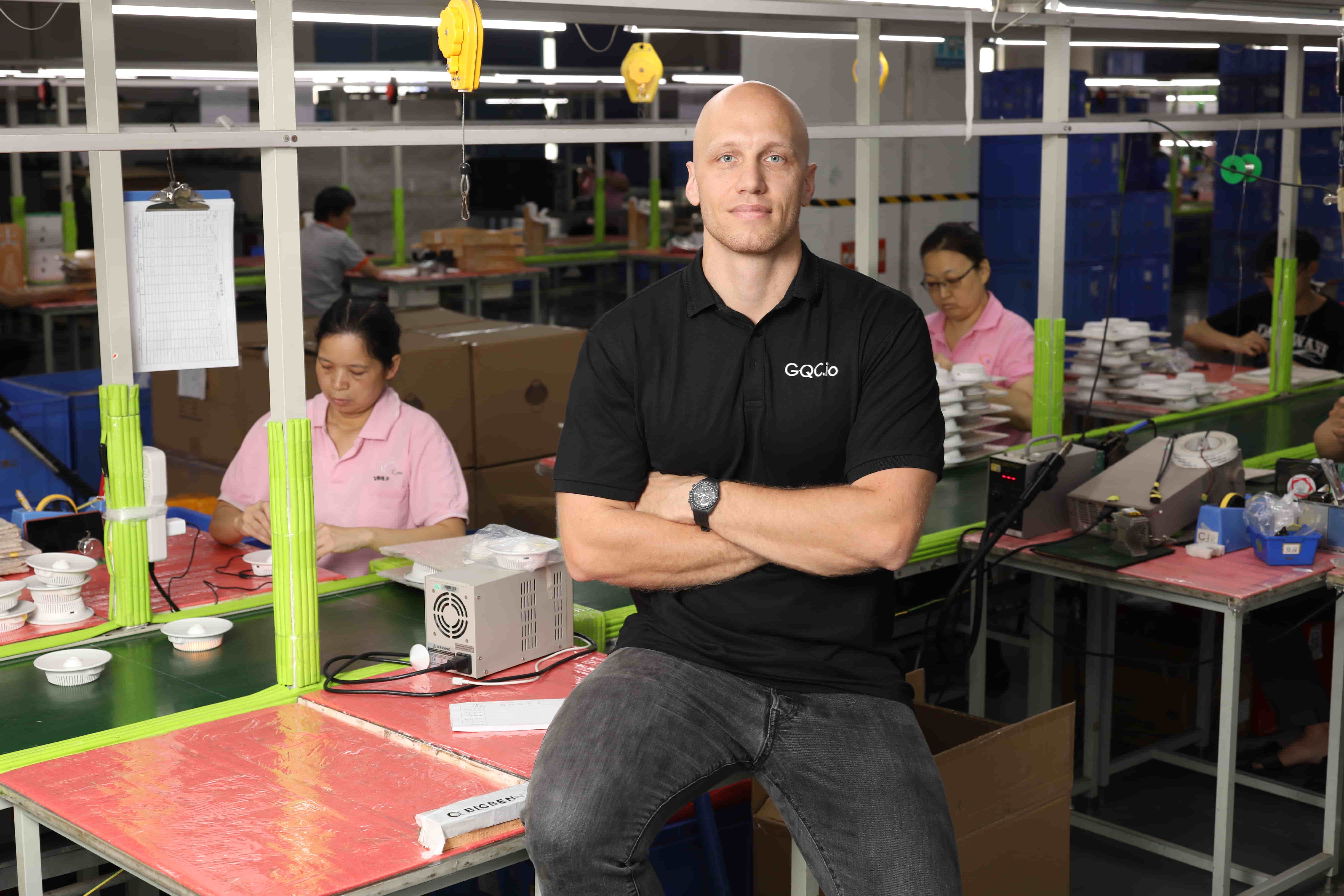
Regular quality inspections are crucial in ensuring that products meet international quality standards. These inspections should be carried out by an independent third-party inspection company like GQC.io, who can verify the quality of the product throughout the production process. Those inspections can be conducted during production (Du-Pro Inspection) or when all products are packed (Pre-Shipment Inspection/ Final Random Inspection).
Implement a Supplier Quality Management System
Implementing a supplier quality management system is another best practice in navigating quality control challenges in China. This system should include the supplier selection process, supplier qualification, supplier performance evaluation, and supplier development. This helps to ensure that the supplier is capable of producing high-quality products consistently.
Develop a Strong Relationship with Your Supplier
Developing a strong relationship with your supplier is critical in ensuring quality control in Chinese manufacturing. Companies should maintain open communication with their suppliers, provide them with feedback on their performance, and collaborate with them on continuous improvement initiatives.This helps to foster a culture of quality and a commitment to producing high-quality products.
Monitor the Supply Chain
Monitoring the supply chain is crucial in ensuring that the product meets international quality standards. This includes monitoring the quality of raw materials and components used in production, the manufacturing process, and the shipping process. Companies must work with their suppliers to ensure that each stage of the supply chain adheres to the agreed-upon quality standards.
Ensure Compliance with Regulations and Standards
Companies must ensure that their products comply with all relevant regulations and standards, such as safety and environmental regulations. This helps to ensure that the product is safe and does not harm the environment.Compliance with regulations and standards also helps to build trust with customers and prevent reputational damage.
In conclusion, navigating quality control challenges in China requires a proactive approach that includes finding the right supplier, setting clear quality standards and expectations, conducting regular quality inspections, implementing a supplier quality management system, developing a strong relationship with your supplier, monitoring the supply chain, and ensuring compliance with regulations and standards. These best practices help to ensure that products meet international quality standards, safeguard customers, and protect the reputation of the company.
If you're facing quality control challenges in China, working with a third-party quality control company like GQC can help. With our expertise and experience in Chinese manufacturing, we can help you overcome these challenges, ensuring that your products meet international quality standards, and safeguarding your customers. Contact us to learn more www.gqc.io .