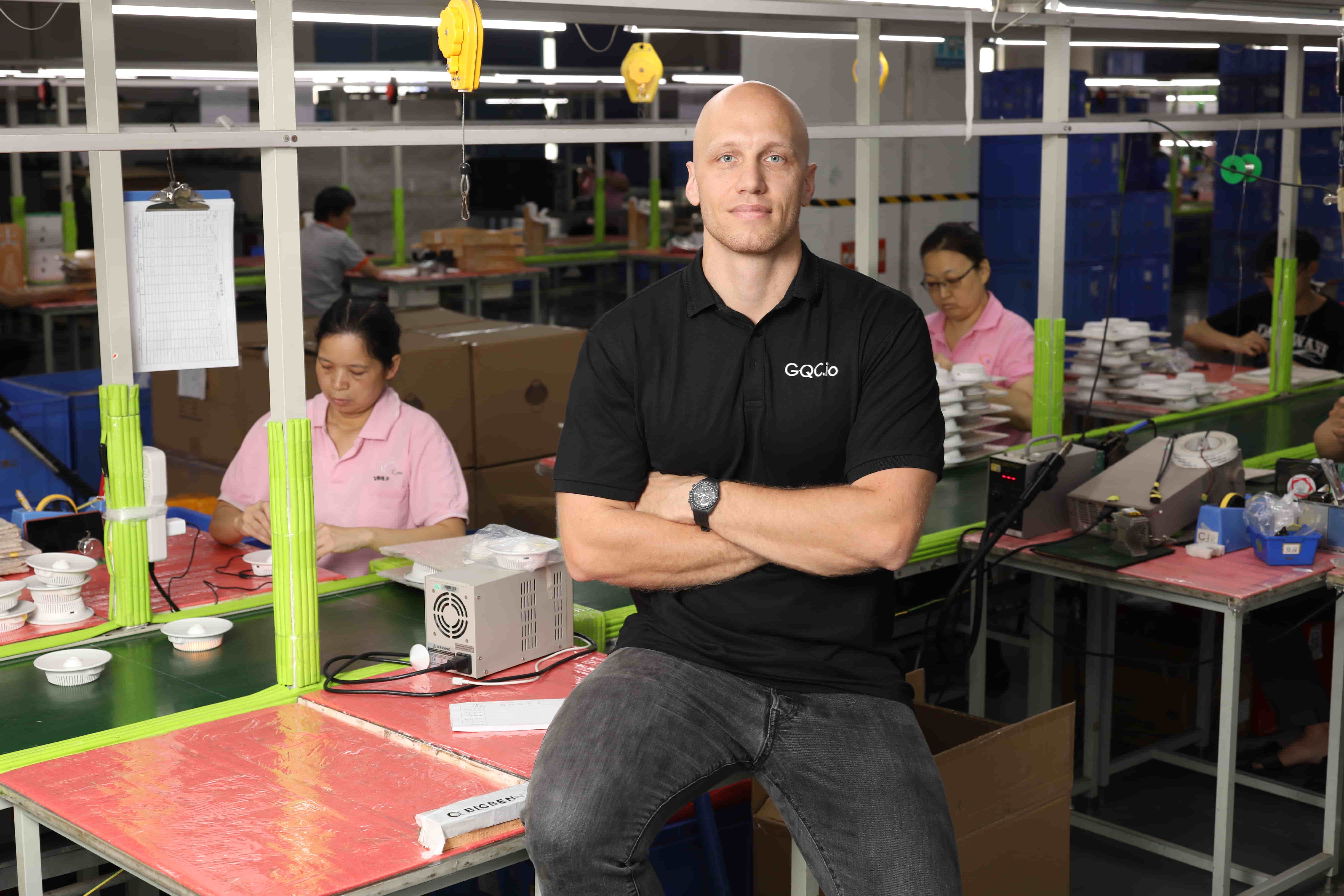
Venturing into sourcing from suppliers inAsia, including China, can be a rewarding yet challenging experience. To help you navigate the complexities, we’ve compiled a list of common mistakes new buyers often make and how you can avoid them.
1. OverlookingPayment Terms
Agreeing to unfavorable payment terms, such as paying 100% upfront, can put you in a vulnerable position. Without any leverage, you risk the supplier not meeting your quality standards or delaying your order. It’s crucial to negotiate terms that protect your interests and ensure that the supplier is motivated to deliver on time and to your specifications.
2. AssumingPre-Production Samples Reflect Mass Production Quality
A common misconception is that pre-production samples are always an accurate representation of what the final product will be like. However, these samples are often crafted with extra care and may not match the quality of mass-produced items. Clear communication and specific quality standards are crucial to ensure consistency in production.
3. NotProtecting Your Intellectual Property
Registering your trademark in the country where you're sourcing, such as China, is an important step to protect your brand. Without this, you risk others registering it first, which could lead to legal challenges or even counterfeit products bearing your name.
4. SkippingQuality Inspections
Relying on hope that your products will arrive as expected is a risky strategy.Without conducting quality inspections during production, you might end up with a batch of defective products that can’t be sold. Regular inspections, especially in the early stages of working with a new supplier, are essential to maintaining quality.
5. Ignoring Communication with Suppliers
Building a good relationship with your supplier is key to a successful partnership. While it’s important to protect your interests, being overly suspicious or confrontational can damage the relationship. Aim for open communication and trust, but also maintain a level of caution to ensure everything stays on track.
6. NotAllowing for Delays in the Schedule
Unexpected delays are a part of manufacturing. Whether it's a late delivery of key components or rework due to quality issues, these can throw off your schedule. It’s wise to build in a buffer of 2-3 weeks to accommodate any potential setbacks.
7. Failing toDocument Important Product Details
If you don’t clearly communicate your expectations, you can’t expect the supplier to meet them. Be sure to provide detailed documentation on product features, packaging requirements, and other critical details to avoid misunderstandings.
8. FocusingOnly on the Lowest Price
While it’s tempting to choose the lowest-cost option, it’s not always the best decision. Often, the cheapest suppliers may either lack experience, cut corners to make a profit, or may even raise prices later with various excuses. Instead of chasing the lowest price, focus on finding a reliable supplier who offers a fair balance between cost and quality.
9. NeglectingSupply Chain Transparency
Understanding your supply chain is crucial. Some suppliers, particularly trading companies, might not be transparent about where they source components.This lack of visibility can lead to problems down the line, so it’s important to work with suppliers who are open about their processes.
10. Sticking with a Problematic Supplier
If a supplier delivers subpar products on the first order, it’s risky to keep placing orders without significant improvements. Instead, work with them on corrective actions or consider switching to a backup supplier who can meet your standards
Conclusion: Safeguard Your Sourcing Journey with GQC
Navigating the complexities of sourcing fromAsian suppliers can be daunting, but with careful planning and by avoiding these common mistakes, you can set yourself up for success. At GQC, we specialize in helping businesses like yours conduct thorough audits and inspections, ensuring that your suppliers meet the highest standards. Contact us today at info@gqc.io or visit our website www.gqc.io to learn more about how we can support your sourcing needs.