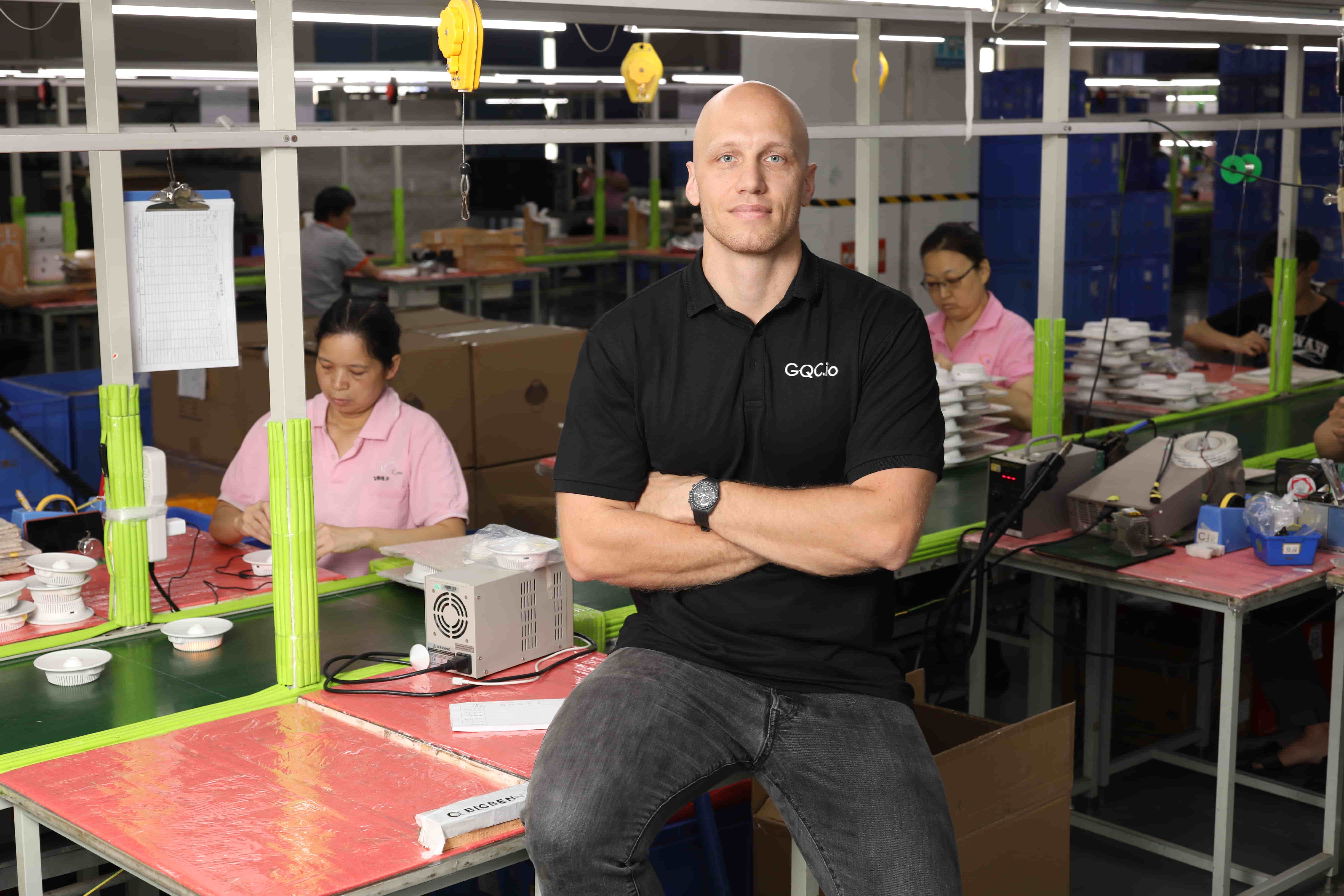
Many factories have their own Quality Control to oversee production, aiming to maintain high standards. However, despite these internal measures, the importance of hiring an external QC third party for pre-shipment inspections cannot be overstated. External QC companies offer an additional layer that can safeguard against various issues, ensuring that products meet the required standards before they reach the market. This article explains why external QC inspections are crucial, even when factories have their own QC teams.
TheLimitations of In-House QC
- Potential Conflicts of Interest:
- Honesty and Integrity: Factory-employed QC teams generally strive for honesty in their inspections. However, they are still part of the organization, and their loyalty to the factory can sometimes lead to conflicts of interest. When issues arise, especially significant ones, there might be pressure to overlook or underreport problems to avoid additional costs and delays.
- Cost of Reproduction: When defects are detected, resolving these issues can be expensive. Reproducing faulty batches or hiring additional workers to rectify problems incurs significant costs. Consequently, factory management might be reluctant to address all identified issues thoroughly, leading to compromised product quality.
- Scope of Inspection:
- Product Focused: Internal QC teams primarily concentrate on the product itself, ensuring it meets the specified standards and functions correctly. However, their focus might not extend to other critical aspects such as packaging, completeness of accessories, CDF check or long term testing.
TheImportance of Packaging in Brand Perception
Packaging is not just a protective shell for the product; it plays a role in brand perception and customer experience. Proper packaging ensures that the product remains intact during transit and reflects the brand’s quality and attention to detail. Additionally, smart inventory management, including the correct application of barcodes and labeling, correct weight and size, is essential for logistics and customer satisfaction.
- Packaging Quality:
- Before vs. After Packaging: Many factories conduct QC checks before the packaging process. However, issues can arise during packaging, such as damage to products, incorrect labeling, or improper sealing. Ensuring the final packaged product meets standards is vital to avoid customer complaints and returns.
- Branding and Aesthetics: The visual and physical quality of packaging impacts how customers perceive a brand. Poor packaging can reduce the perceived value of even the highest-quality products.
- Smart Inventory Management:
- Barcodes and Labels: Accurate barcoding and labeling are essential for tracking inventory, managing stock levels, and ensuring smooth logistics operations. Errors in this area can lead to significant disruptions and inefficiencies in the supply chain. Especially if you handle many different SKUs
- Weight and Size: The weight and size is important for shipping and storage costs, differences will cause you problems with shelf space in your retails or warehouse. The weight of the product & packaging are relevant for WEEE and waste disposal.
TheRole of External QC Third Parties
An external QC company provides a comprehensive inspection that covers all aspects of the product, from production to packaging. Here’s why their role is indispensable:
- Unbiased Inspections:
- Third-Party Objectivity: External QC inspectors are focused on assessing product quality. Their reports are the true state of the products, free from internal pressures.
- Comprehensive Reporting: Detailed reports from external QC inspections provide a clear picture of any issues, helping brands make informed decisions about accepting or rejecting shipments.
- Quality Checks:
- End-to-End Inspection: External QC teams inspect products both before and after packaging, ensuring that every aspect meets the required standards. This includes checking the integrity and quality of the packaging itself.
- Verification of Labels/Barcodes/Weight/Size: Ensuring that all labeling and barcoding are accurate and properly applied helps maintain inventory accuracy and efficiency for smooth operations and confirming correct size and weight.
- Cost and Time Efficiency:
- Preventing Costly Errors: By identifying issues before products leave the factory, external QC inspections can prevent costly recalls, returns, and damage to the brand’s reputation.
- Timely Interventions: External inspections can be scheduled at critical points in the production and packaging process, allowing for timely interventions and corrections.
While internal QC teams play an important role in maintaining product quality, the addition of an external QC third party for Pre-shipment inspections provides an essential layer of security. GQC offers inspections that cover all aspects of the product, from production to packaging. This approach ensures that products meet quality standards and also arrive in good condition, fully labeled and ready for the market. Investing in external QC services is a strategic move that can save brands from costly errors, boost customer satisfaction, and protect the brand’s reputation.
For your inspections needs visit our website www.gqc.io or contact us at info@gqc.io