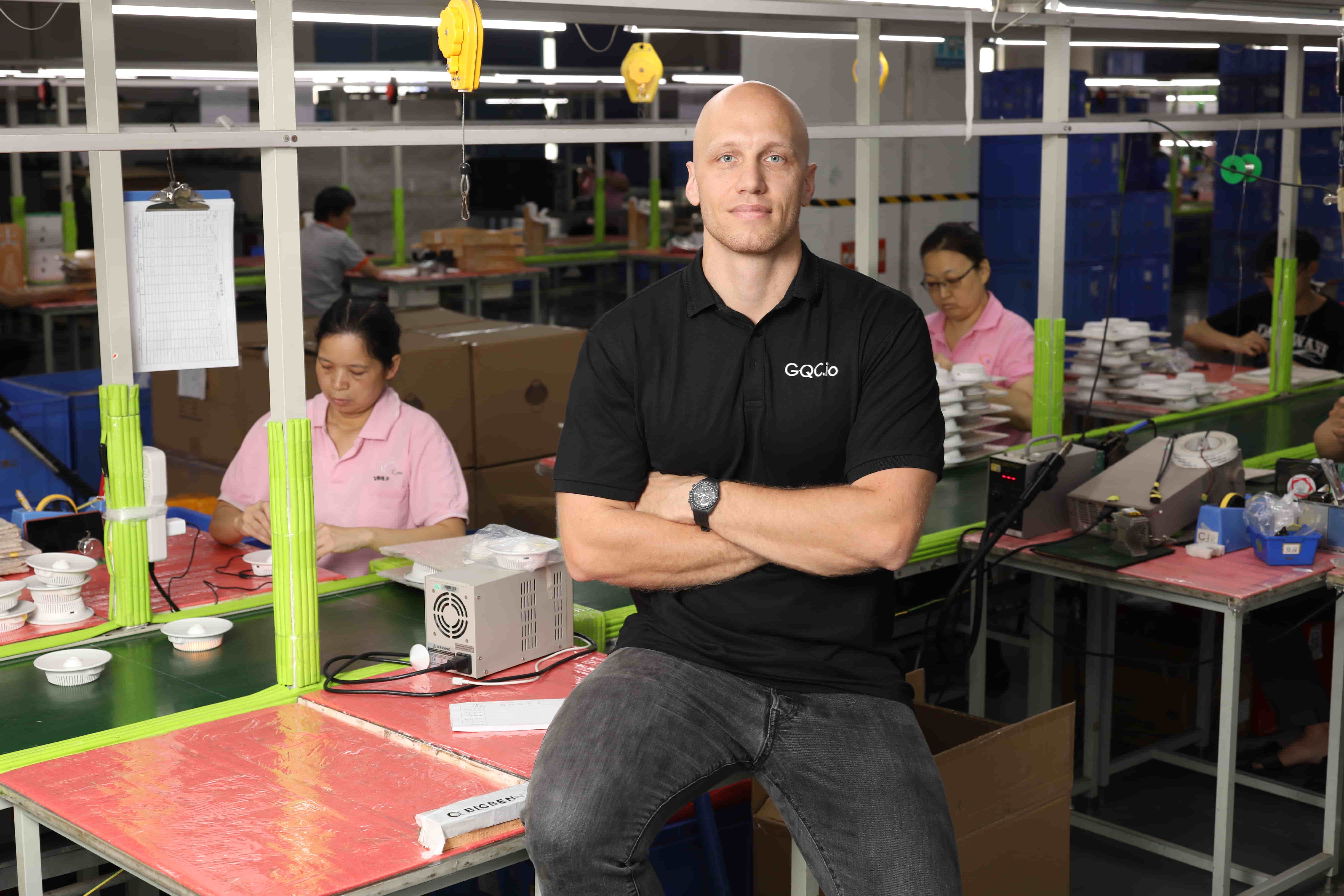
Our clients are looking for one thing, and one thing only: quality products. They want good-looking, durable, andfunctional products at an affordable price; and they want them made with greatattention to detail. That's why we offer 100 % manufacturing supervision inChina so our clients can be assured that quality control is there at all times.Let’s learn more about manufacturing supervisors and how they can benefit yourbusiness.
Manufacturing supervisors are responsiblefor the control of the various elements critical to producing and deliveringyour product, such as production staff, equipment, and processes. They areresponsible for coordinating, scheduling, and overseeing routine activitiesduring manufacturing. Additionally, these professionals are also responsiblefor troubleshooting problems when something goes awry. There are many things amanufacturing supervisor can help you with that will make a huge differencewhen it comes to the quality of your product and ultimately the success of yourbusiness.
The specific duties of a manufacturingsupervisor depend on the product and the method of production but, in general,responsibilities include:
• Coordinatingthe activities of all other supervisors and staff involved in the manufacturingprocess.
• Ensuringthat all employees are working safely and in accordance with applicableregulations.
• Monitoringproduction schedules, budgets, and inventory levels.
• Ensuringthat all products are produced within company specifications.
• Ensuringthat goods are delivered to you on time or as promised.
• Maintainingquality control over all aspects of production by reviewing data such astime-to-market, defects, scrap rate, etc.
And most importantly a manufacturingsupervisor collects data, compiles reports, and updates you on the wholeproduction process. A weekly update from your manufacturing supervisor shouldinclude:
1. Theproduction of the week which includes the number of goods produced and any newproducts introduced.
2. Thenumber of defects that were found, where and when they were found, and what wasdone to solve the problem.
3. Anyproblems with quality or delivery that might have occurred during the week andwhat was done to rectify those issues.
4. Anynew equipment being used or replaced in your factory, including any changes inmaterial or processes that might affect your product quality or deliverytimeframe.
If you have a very sensitive order, whichmust be supervised very closely it is advisable to find a third-party qualityassurance company to station an inspector (or a team of inspectors) in thefactory every day. The inspector will observe what happens in the factory, andif there are any problems, he will report them to you immediately so that youcan take corrective measures. This way, you will always know how your productsare being made and whether or not they meet your standards.
Manufacturing supervision can help you improveefficiency by keeping things under control and making sure everything is doneright. Having a team of professional quality inspectors overseeing everythingfrom start to end will ensure that you are getting the best quality possible andbe able to ship your goods off on schedule. For more information about qualityinspection services visit our website www.gqc.io