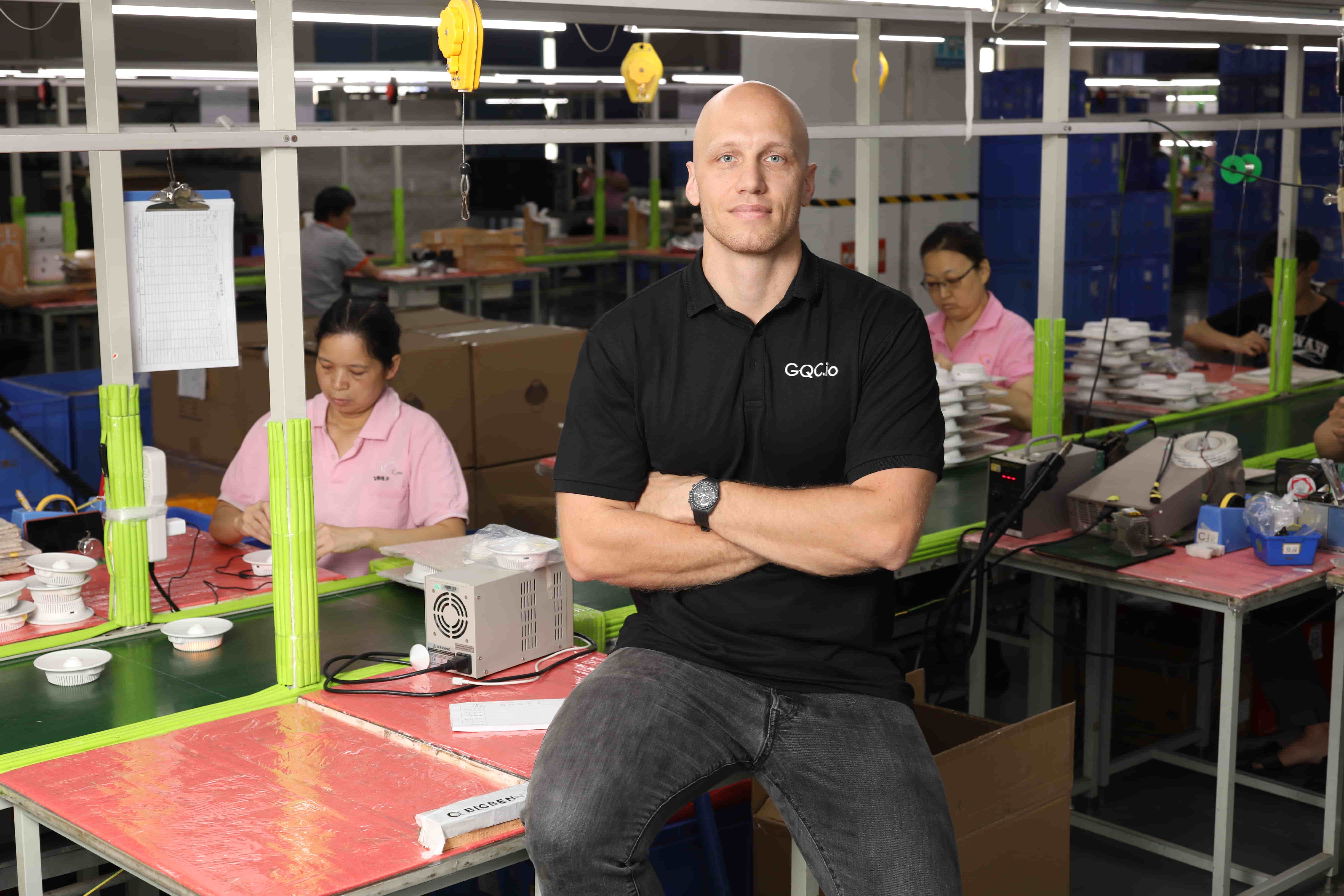
China has established itself as the premier global manufacturing center, attracting businesses seeking to outsource their production due to its sheer scale and ease of doing business. Despite the advantages, the downside of manufacturing in China is the potential for skipping quality control measures in the production process.
Quality control is a crucial step in ensuring that products meet the requisite standards of quality and safety. In the context of Chinese manufacturing, bypassing quality control can lead to the creation of substandard products that not only harm a company's image but can also result inexpensive product recalls and legal repercussions. As a result, manufacturers must recognize the importance of maintaining high-quality production standards to preserve their brand image and protect themselves from financial loss.
The Risks of Neglecting Quality Control
o Poor product quality
The most significant risk of bypassing quality control in Chinese manufacturing is poor product quality. The lack of quality control measures means that manufacturers may not detect product defects, resulting in the production of substandard products. This not only leads to a waste of time and resources but also damages the reputation of the company that is importing the products.
o Increased product liability
Another risk of neglecting quality control is the increased risk of product liability. If a company imports substandard products that cause harm to consumers, it can be held liable for any damages incurred. This can result in costly lawsuits, recalls, and a loss of customer trust.
o Legal and financial consequences
Ignoring quality control in Chinese manufacturing can also result in legal and financial consequences. Companies may face fines and penalties for importing non-compliant products. Additionally, the cost of product recalls and legal fees can be significant, resulting in a financial loss for the company.
How to Avoid the Risks of Neglecting Quality Control
o Conduct a thorough supplier audit
To avoid the risks of skipping quality control, it is essential to conduct a thorough supplier audit. This involves visiting the manufacturer's facilities, inspecting their equipment, and reviewing their quality control procedures. A supplier audit can identify any potential quality control issues before production begins.
o Establish clear quality requirements
Establishing clear quality requirements is another way to avoid the risks of bypassing quality control. Companies should communicate their quality standards to their suppliers and ensure that they are met before production begins. This can include product specifications, testing requirements, and compliance with relevant regulations.
o Implement regular quality inspections
Regular quality inspections can help identify any quality control issues during the production process. Companies can implement both in-house and third-party inspections to ensure that products meet the required standards of quality and safety.
o Work with a reputable quality control partner
Working with a reputable quality control partner can help ensure that products meet the required standards of quality and safety. Quality control partners can conduct regular quality inspections, identify quality control issues, and provide recommendations for improvement.
Bypassing quality control in Chinese manufacturing can result in poor product quality, increased product liability, and legal and financial consequences. To avoid these risks, companies should conduct a thorough supplier audit, establish clear quality requirements, implement regular quality inspections, and work with a reputable quality control partner. GQC can help companies implement these measures and ensure that their products meet the required standards of quality and safety. Don't risk the reputation and financial stability of your company - contact GQC today www.gqc.io .